The Hidden Cost of Cutting Corners on Architectural Documentation
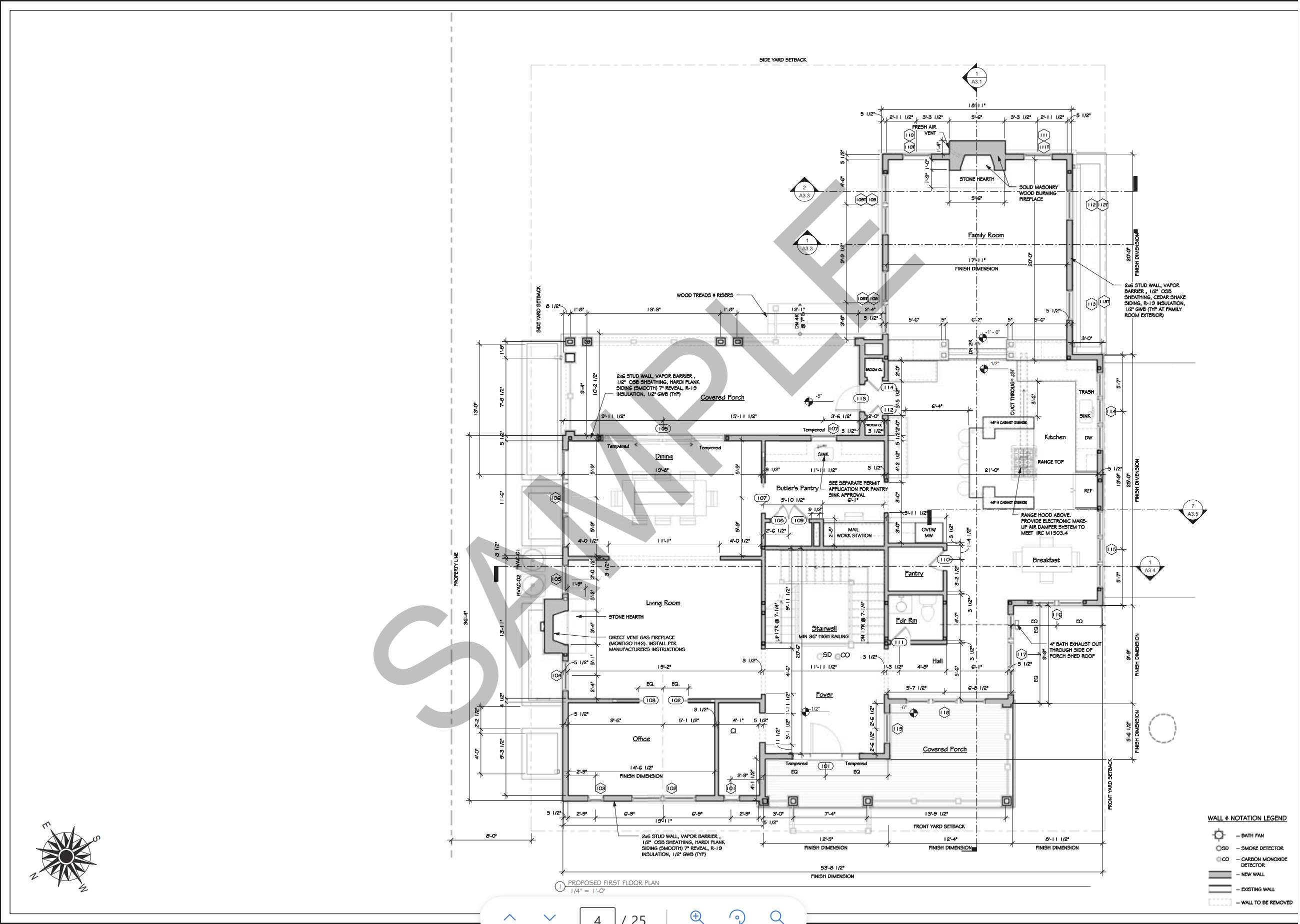
Design gets the spotlight. Documentation carries the weight.
Behind every celebrated building, every award-winning space, every concept that actually gets built: a mountain of technical drawings, coordinated models, annotated plans, and permit-ready details. Design is the spark. Documentation is the engine.
And here's the uncomfortable truth most firms won't admit: the way you handle documentation determines whether your projects succeed or slowly unravel.
The Expensive Illusion of "Cost Savings"
Too many studios treat documentation as a cost center. Something to minimize. A commodity to squeeze.
They view it as overhead, not infrastructure.
That perspective costs them far more than they realize.
Because when production capacity gets stretched thin, consequences stack up fast:
- Permit delays. Incomplete sheets. Inconsistent details. Review cycles that drag on for weeks.
- Consultant chaos. Disparate information between disciplines. RFIs multiplying. Coordination calls that should have been emails.
- Client friction. Discrepancies get interpreted as design changes. Trust erodes. Budgets balloon.
- Expensive rework. Errors that surface during construction. The kind that require disruptive corrections when stakes are highest.
Every one of these outcomes traces back to a single root cause: underinvesting in production capacity when it matters most.
For architectural leaders, this isn't abstract. It's operational risk with your name attached.
The Data Doesn't Lie
In a 2025 survey of mid-size design firms, documentation errors ranked among the top three causes of schedule slippage. Ahead of client changes. Ahead of permitting backlog.
The pattern is clear: the technical execution phase is where most delays originate.
Yet firms keep treating drafting as an expense to minimize rather than a capability to invest in.
That math flips quickly when you trace the downstream impact:
> Delays → Change orders → Budget pressure → Strained relationships → Reduced capacity for new work
The cost of not having reliable production support is almost always greater than the cost of having it.
Why the Best Firms Think Differently
The practices that thrive long-term recognize production as a strategic discipline. Not a secondary activity. Not someone else's problem.
They operate on three principles:
1. Documentation Is Integrated Early
Not tacked on at the end of design phases. Built into the workflow from the start.
2. Production Standards Are Consistent
Internal and external contributors follow the same quality expectations. No surprises.
3. Capacity Is Flexible
Production support scales without bloating internal staffing. Peak cycles don't create permanent overhead.
These principles mirror what professional services research consistently shows: operational resilience comes from repeatable processes and strategic partnerships, not episodic heroics.
The Rise of On-Demand Production Partners
There's a shift happening across the industry.
Instead of hiring incremental full-time drafters to cover unpredictable peaks, firms are partnering with on-demand production specialists.
AECProduction works with studios across the U.S. to provide drafting, modeling, and visualization support precisely when it's needed. Without the long-term overhead of additional headcount.
This model aligns with how modern firms actually operate:
- Variable workloads. Project phases fluctuate. Capacity needs can't always be forecasted cleanly.
- Specialized expertise. Not every firm needs dedicated BIM or CAD specialists 40 hours a week. But they need them when deadlines tighten.
- Cost efficiency. Outsourcing production reduces fixed staffing costs while preserving quality standards.
- Flexibility. Scale support up or down based on project pipelines.
Firms are treating production the way they treat other critical functions: as an engineered capability, not an ad-hoc task.
Execution Quality Is a Reputation Multiplier
Architectural success isn't just measured in awards.
It's measured in consistency. Predictability. Execution excellence.
Well-documented projects deliver:
- Faster approvals
- Smoother coordination
- Fewer costly iterations
- Clearer communication with consultants
- Higher internal confidence
That builds trust with clients and partners.
In competitive markets, firms that demonstrate reliable execution win more work. Secure stronger referrals. Build institutions that last.
Clients evaluate providers on both capability and responsiveness. Exceptional documentation performance signals both.
What AECProduction Brings to the Table
We specialize in taking architectural concepts and translating them into permit-ready deliverables with precision and consistency.
From CAD drafting to high-end visualization, our production support enables firms to:
- Maintain momentum during peak cycles
- Reduce internal bottlenecks
- Improve coordination across disciplines
- Shorten revision loops
- Protect design intent from documentation noise
The goal isn't to replace internal teams. It's to extend them.
We give design leaders space to focus on strategy and creativity while ensuring the technical foundation stays solid.
In a sector where small gaps drive large setbacks, that distinction becomes business-critical.
→ Submit your project for a quote
The Leadership Question
For principals and partners, the real question isn't whether drafting support is expensive.
It's whether the cost of not having reliable production is greater.
Leadership in architecture today requires balancing bold design with disciplined execution. The firms that excel see documentation as part of the value proposition, not a line item to minimize.
The practices that build partnerships, define standards, and invest in execution capacity will deliver projects more predictably and build stronger institutions as a result.
Final Thought
Design is 10% inspiration and 90% documentation.
Not because ideas don't matter. Because execution is where risk and value converge.
Skimping on production doesn't save money. It reallocates cost into client frustration, extended schedules, and compromised reputations.
Your ideas deserve to be executed flawlessly.
AECProduction exists to ensure the technical weight of execution supports the promise of design. Not undermines it.
If your workflow feels heavier than it should, that's not inefficiency.
That's opportunity.
Architects Who Deliver More Work With Less Stress Work With Us
Fast drafting. Clean coordination. Permit sets that move. That's what AECProduction delivers.
Let us power your production so you can focus on what you do best — design.
Your backup team is ready when you need us.
Let's Bring Your Next Project to LifeRelated Articles
3D Rendering
What Makes Architectural 3D Rendering Worth It — At Every Stage of a Project
3D rendering architectural projects isn't just a finishing touch for marketing. When used strategically at the right project phases, rendering accelerates decisions, reduces costly revisions, and gives clients the clarity they need to say yes.
Construction Documents
What's Actually in a Construction Document Set? A Plain-English Breakdown
Most people know construction documents are important. Few people know what's actually inside them — or why every single sheet matters. Here's a plain-English breakdown of every component in a full CD set and what happens when any one of them is missing.